Showing posts with label Tet. Show all posts

Tuesday, February 4, 2014

Vietnamese Tet in Lao students’ eyes

On this Lunar New Year Festival, many Lao students studying under Da Nang Universitydecided to stay in the university dormitory to experience Tet in Vietnam.


This is the second year, Xaiyathome Khounmy, a third-year student of the Da Nang University of Economics, has stayed in the dormitory to welcome Tet, while most students of the university return home to welcome Tet with their families.


“This is the second time I have stayed in Vietnam to welcome Tet with my friends, adoptive mother and aunt. Last time I stayed at my aunt’s home, near Lao Bao border gate in Quang Tri province. The Tet in Vietnam is very happy and bustling, mostly focused towards the traditional values. I like the atmosphere at the New Year’s Eve of Vietnamese people most, all family together in lively discussions besides pot of green “chung” cake, candy and melon seeds. In general, it is very impressive and leaves unforgettable memories in my mind,” he shared.


Xaiyathome Khounmy, third-year student and Ounsivixay Malyvan,

first-year student, will stay in Vietnam to welcome

the Lunar New Year Festival.


Staying in Vietnam to welcome Tet, many Lao students are eager to take part in the atmosphere on the days near the Lunar New Year. Many plan to go sightseeing around Da Nang and neighbouring provinces. Many foreign students like the image of welcoming the Lunar New Year Festival with a clean house and beautiful streets.With only two vacations, summer holiday and Lunar New Year Festival, foreign students really miss home. However, to experience Tet in Vietnam, many Lao students have received invitations to welcome the Lunar New Year Festival with classmates’ families in Vietnam.


Through experience, many students feel Vietnam’s Tet is special. However, it is similar to Lao’s traditional New Year Festival, called Bunpimay, on April 13-16, with customs such as going to pagoda to offer incense, offer to Buddha, and decorating houses with fresh flowers. Customs different from the Vietnamese Tet include bathing Buddha, splashing water and tying thread on the wrists of the old and babies to wish good luck on the New Year Festival.


Staying in Vietnam to welcome Tet is also a chance for Lao students to better understand the manners and customs of Vietnam, such as lucky money, releasing animals, the first caller on New Year’s Day, and cleaning and decorating the ancestral graves.


Khing Kham Savatmixay, a student studying master’s degree on education management at the Da Nang University of Education, eagerly talks about Vietnamese Tet. He usually attends cultural exchanges, Lao-Vietnam cuisine exchange, New Year Festival organized at the dormitories of the Da Nang University of Education, Da Nang University of Technology, so he is impressed with Vietnamese cuisine.


“I remember the first time I welcomed Tet in Vietnam. My friend and I went to pagoda, offered incense and cleaned and decorated the ancestral graves. I attended the New Year’s Eve Party, which was very delicious. The party of Vietnamese people is very beautiful, including five fruits, fresh flower, food, pig’s head, chicken, duck, soup and fried vegetable. It is different from Laos, there is only fruit,” Khing said.


Ounsivixay Malyvan, first-year student of the Da Nang University of Education, has been in Vietnam for four months but she can speak Vietnamese language fluently. she is very eager when listening to other students talking about Vietnamese Tet. Even in Laos, Ounsivixay has happily welcomed Tet together with overseas Vietnamese, so he decides to stay in Vietnam to welcome Tet.


It is sure that the Vietnamese Tet is very happy because other students talk about Tet excitedly. It is more than a week until Tet, but streets are bustling, clean and decorated with various flowers. During Tet, I intend to visit my teachers, together with my Vietnamese friends go to pagoda, clean and decorate the ancestral graves, enjoy New Year’s Eve party, celebrate the New Year’s Eve, watch fireworks to more understand the culture of Vietnam. When I return the homeland, I will have many memories to talk to my parents and Laos friends about Vietnam, especially on the traditional Vietnamese Tet,” Uunsivixay said.


The Vietnamese Tet for Lao students is rich in traditional values. Memories about welcoming the Lunar New Year Festival in Vietnam will remain in Lao students’ minds as unforgettable impressions.


“I love the country of Vietnam and I consider it as my second homeland. On these days, the atmosphere in Vietnamese families is very warm, reunion of family. I hope interesting and great things will happen when I stay in Vietnam to welcome Tet this year,” Khing shared


Vietnamese Tet in Lao students’ eyes

Monday, February 3, 2014

Coming to flower markets on New Year

Going to New Year flower markets is a habit and traditional culture of many Vietnamese people. From north to south, the flower markets are listed as follows:


Hanoi’s flower markets


(1369)a1


Hang Luoc flower market, Buoi market and some famous night flower markets in Hanoi in Nghi Tam, along with the ancient flower villages of Quang Ba, Quang An and Tu Lien are named a flower paradise in a capital of Vietnam.


Every Lunar New Year, the markets opens from the 19th to the 30th day of the last month of the year. In addition to fresh flowers, there are also artificial flowers at the market.


Because the market is located in the busy trading area in the old quarter, visitors can also go from this street to others to purchase decorative items.


Da Lat flower market


Da Lat is the city of flowers, where flowers are everywhere. Da Lat Market is also the largest flower market here. Near Tet, the area around the Xuan Huong Lake becomes a forest of flowers, which are in very unique and fancy shapes.


Flower markets in Saigon


Ho Thi Ky and Go Vap flower markets become some must-come places when anyone enjoy flower on New Year.


Flowers here are plentiful and the prices are often cheaper than flower shops from 30-50%. You can choose many kinds of flowers here and especially the accessories for making New Year beautiful bouquets.


Ho Thi Ky is not very suitable for visitors because it is not decorated well. The Go Vap flower village is also very popular. This is the major source of Saigon-origin flowers. The market stretches along Phan Huy Ich and Cay Tram roads.


Sa Dec flower market in Dong Thap


Due to skilled gardeners and good climate, Sa Dec flowers are very beautiful. Sa Dec flowers are transported through the southern region and to Laos, Cambodia and China.


Mekong Delta floating flower market


The most beautiful floating flower markets in the Mekong Delta region are Cai Rang in Can Tho City, Nga Bay in Hau Giang province and Chau Doc in An Giang province.


Coming to flower markets on New Year

Thursday, January 30, 2014

Tet – a summary of the biggest traditional holiday in Vietnam


The traditional Lunar New Year (Tet) is the biggest and oldest festival in Vietnam, bringing its people together to celebrate the sacred and meaningful annual event.


tet, customs and habit, Tet traditions


Tet is an occasion when members of a family, no matter where they are and what they do to earn a living, get together and pray in front of the ancestral altar. Their return to home in celebration of Tet is regarded as a journey back to their birthplace.


For most Vietnamese, Tet actually begins with the “Ong Cong – Ong Tao” (Land Genie and Kitchen Gods) ceremony on the 23rd of the last month of the lunar year, which fell on January 23 this year.


The Kitchen Gods are believed to comprise of two male and one female spirit, who bless the household and keep up the kitchen fire, making every member of the family happy and prosperous.


According to legend, the Land Genie and the Kitchen Gods will ride carps to Heaven on the 23 rd to deliver an annual report on the household’s activities to the God of Heaven.


As the gods make their journey on the back of fish, it is traditional to release live carps into lakes or rivers, which is considered a kind-hearted deed to pray for good luck.


On that day, people also burn joss paper clothing, including hats, robes and boots, intended for use by the genies on the trip.


After the Kitchen Gods go to Heaven, families begin tidying and decorating their houses to usher in the New Year as they believe that a clean house represents a fresh start.


A year-end praying ceremony will be held in the evening of the lunar December 30. Offerings to ancestors are indispensable, especially a tray of five fruits which symbolise hope for abundance and prosperity.


Before and after the holiday which will usually last for seven days, the Vietnamese have different customs, depending on each locality.


Northerners will offer their ancestors a bunch of bananas, a grapefruit, oranges or tangerines, persimmons and kumquats while southerners will give a coconut, a papaya, custard apples, green mangos and a piece of twig.


Folk paintings, calligraphy, peach blossom and kumquat trees are very popular in each family in the northern region while apricot blossom is prevalent in the south. They represent affluence, good luck and happiness.


It is also their custom to clear up all debts and conflicts to look towards a new year of full harmony.


On the Eve of the New Year, each family holds a ceremony to welcome deities, ancestors to their house – a meeting between humans and heavenly spirits.


In front of the altar with spiralling incense smoke and sparkling candles, they clasp hands and pray in deep respect.


According to their belief, the God will appoint new mandarins in charge of the earth during this moment. That’s why they must prepare a tray of offerings to see off old spirits and welcome new ones, in a hope for a year of peace and well-being.


Source: VNA


Tet – a summary of the biggest traditional holiday in Vietnam

Hanoi’s Tet in the old time

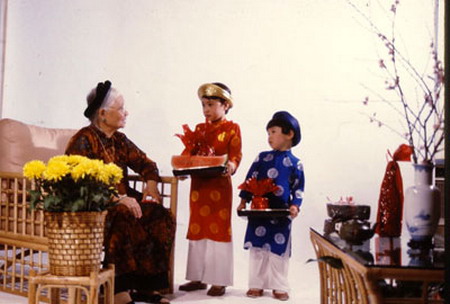
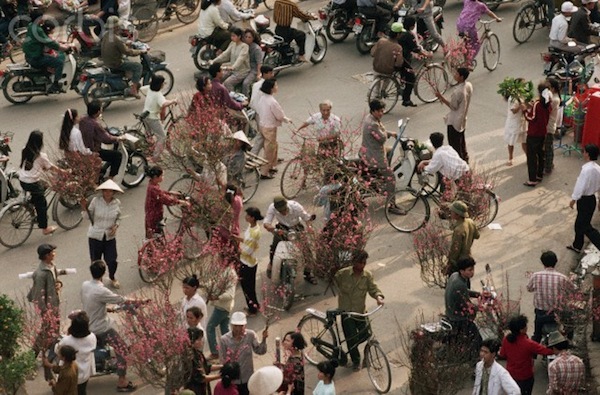
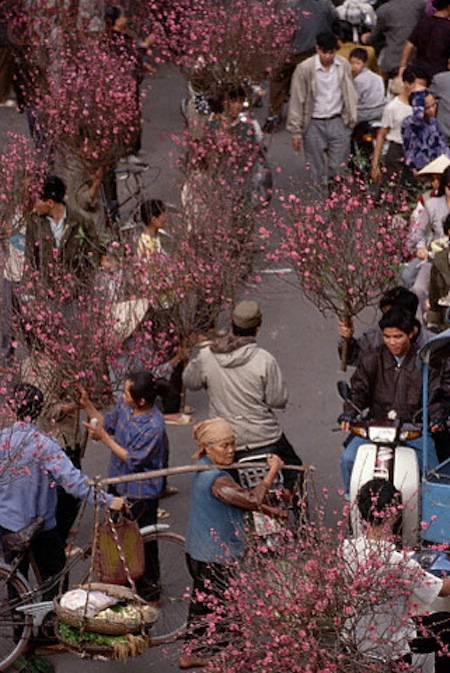
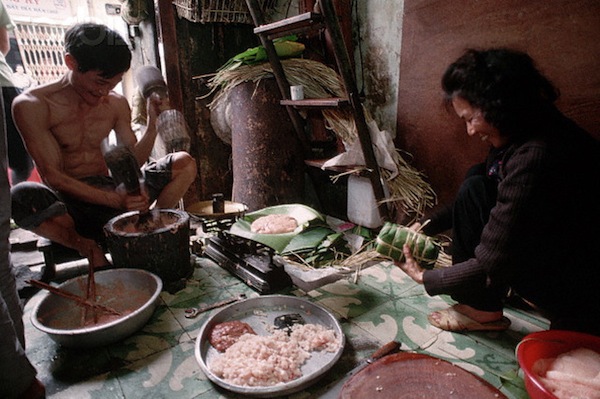
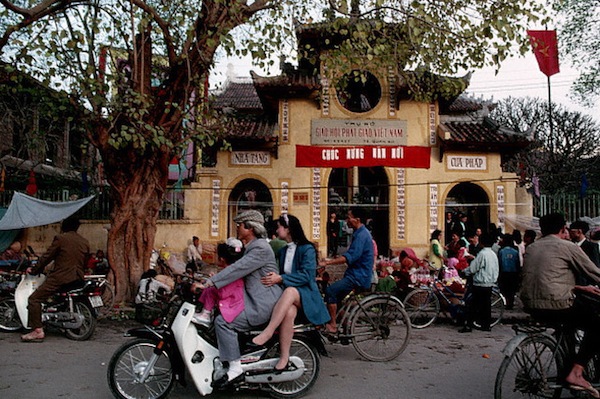
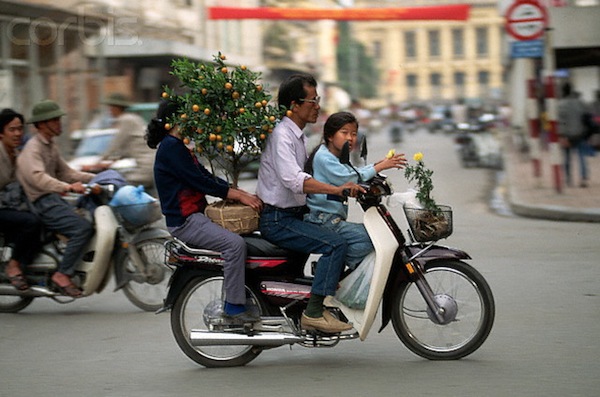
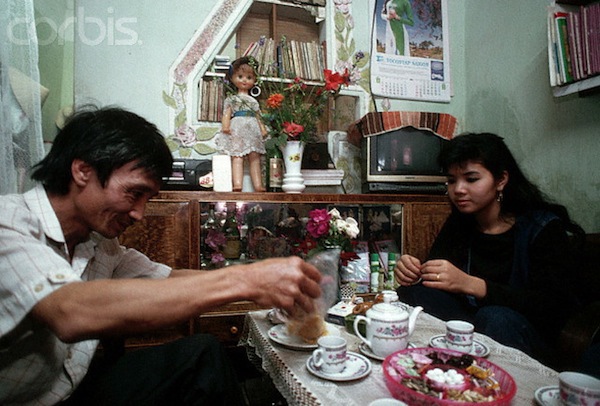
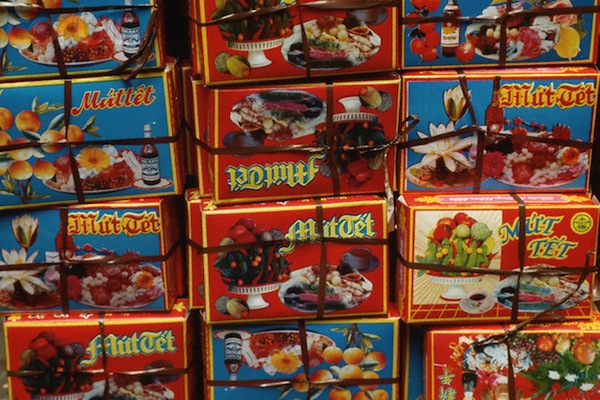
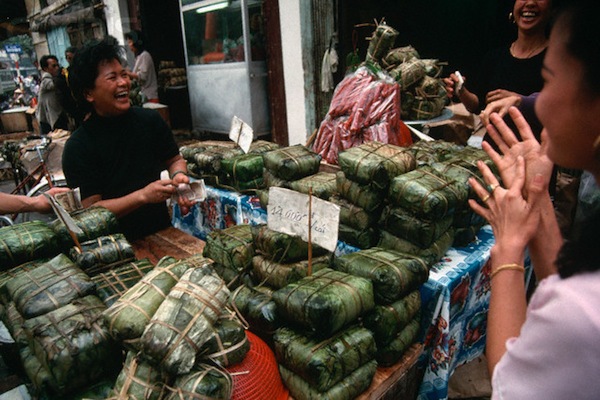
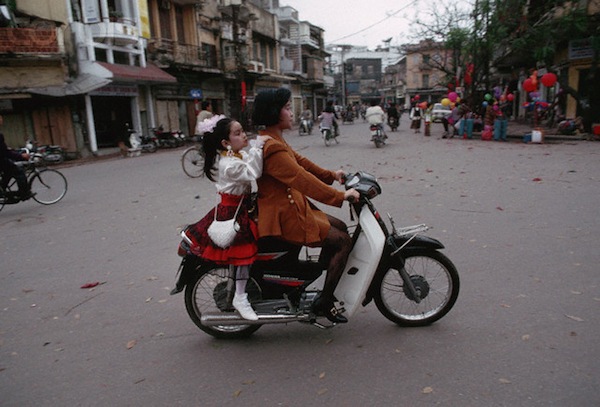
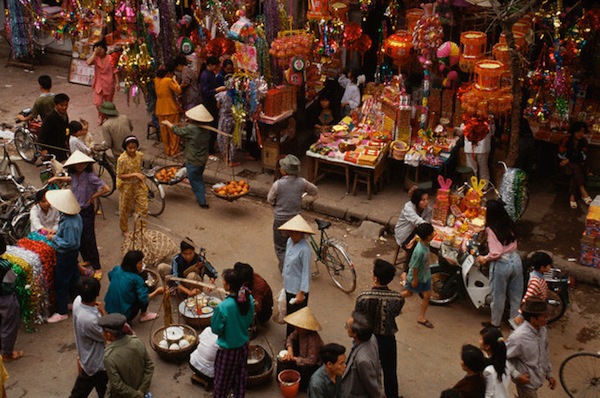
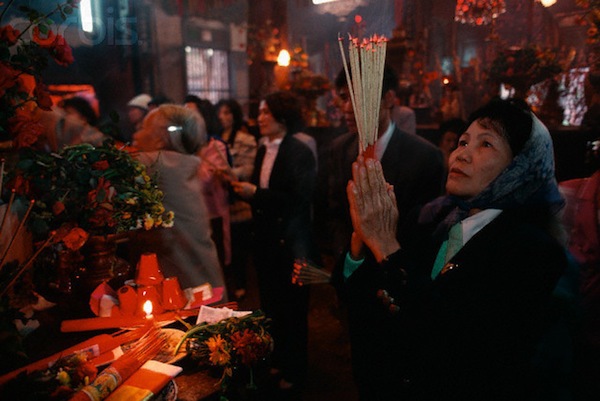
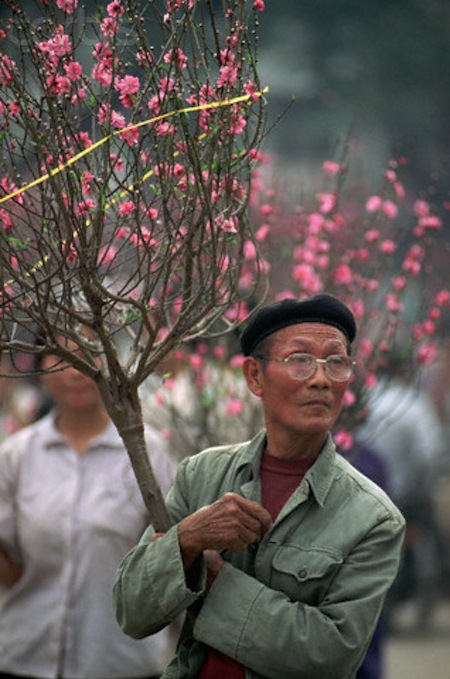
Tet atmosphere of the 1990s was so simple, warm and fun through the lens of two foreign photographers Steve Raymer and Nevada Wier.


old tet, hanoi

Peach blossoms of the New Year.


old tet, hanoi


In Hanoi, everyone wanted to buy a peach branch for Tet.


old tet, hanoi


Making pork-pie for Tet.


old tet, hanoi


Visiting Buddhist temples in the New Year to wish a lucky and peaceful year.


old tet, hanoi


All families buy ornamental trees for the New Year.


old tet, hanoi


Guests are welcomed with tea and confectionery.


old tet, hanoi


Fruit jams for Tet.


old tet, hanoi


Many families made square glutinous rice cakes but they could also buysquare glutinous rice cakes.


old tet, hanoi


Going out at Tet.


old tet, hanoi


Hang Ma Street was crowded and bustling with traditional red color.


old tet, hanoi


Going to a temple to wish for luck for the whole year.


old tet, hanoi


New Year came on peach branches.


Hanoi’s Tet in the old time

Six major Tet tourist destinations in Hanoi

What will you do and where will you go during this Lunar New Year (Tet) holiday in Hanoi?. The following are some suggestions if you wish to relax or explore Hanoi with family and friends.


1. Scholars’ Street


Asking scholars for letters has become an age-old tradition of Vietnamese people when Tet comes. During the festive holiday, many people gather at so-called Scholars’ Street at Van Mieu (Temple of Literature) in the city centre to ask for letters, hoping for better luck in the new year.


This year Scholars’ Street is open from 08.30am to 08.00pm every day. Opening hours will last till midnight on New Year’s Eve and 10.00pm on the first Lunar New Year days.


2. Thang Long Imperial Citadel


You can drop in on the former Imperial Citadel of Thang Long to admire the beauty of Vietnamese heritage from different perspectives.


On display  are more than 100 works selected from over 6,000 objects and examples featuring Vietnam’s natural heritage, tangible heritage (architecture, sculpture, painting, handicrafts, and villages …), and intangible cultural heritage (music and dance, festivals, folk games, religion and belief…).


The exhibition will last until February 28. Address: 18 Hoang Dieu Street,


3. Museum of Ethnology


The Vietnam Museum of Ethnology will open its doors to festival goers from February 3-9. The first five days focus on cooking traditional Tet dishes, writing parallel sentences, printing Dong Ho folk paintings, and performing water puppet shows.


Visitors have the opportunity to play exciting folk games of various ethnic groups on the last two days (February 8-9).


Address: Nguyen Van Huyen Street


4. New Sun Park


New Sun Park, inside the West Lake Water Park, is an ideal place for visitors during the nine-day holiday.


A special art programme will be performed, including bamboo dance, puppet shows, and folk songs from the country’s three regions.


Children will be entertained with exciting magic shows and various games and activities.  Visitors have the chance to sample rural dishes such as bun oc (snail noodle soup), banh cuon (rolls made from a thin, wide sheet of steamed fermented rice batter filled with seasoned ground pork, minced mushrooms, and minced shallots), and banh duc (cake made from ground rice and peanuts).


The park is open from January 31 to February 5. Address: 614 Lac Long Quan Road


5. Cinema


Movie theatres are a popular choice of many young people and families to relax after a hard working year.


Most cinemas are open on February 1, offering films of different genres from comedy to romance, action and horror.


Your favourite destinations are CGV Vincom, Platinum the Garden, Lotte Cinema Keangnam, national Cinema Centre, Thang Tam (August) Cinema, Royal City, Times City or Megastar Mipec Tower.


6. Cultural and Tourism Village of Vietnamese Ethnic Groups


On a visit to the village in Dong Mo, Son Tay town, visitors will see horse races of the Mong ethnic group from Lao Cai province, promoting the martial art spirit of local people in the northwestern region.


They will also have the opportunity to explore other distinctive ethnic festivals such as Han Cuong (New Spring) of the Thai, Catching a husband of the Chu Ru, Rice Worship of the B’Rau or Kate of the Cham. These festivals last from February 15-17.


Six major Tet tourist destinations in Hanoi

Sunday, January 26, 2014

Hanoi streets are being "dressed" for Tet

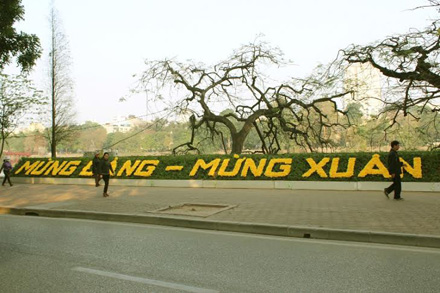
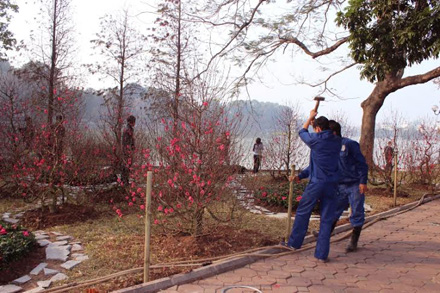
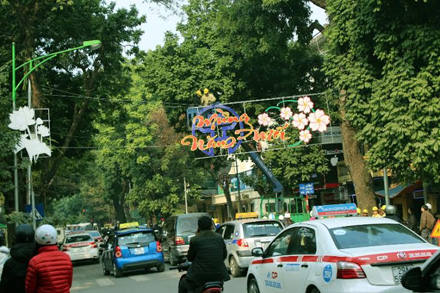
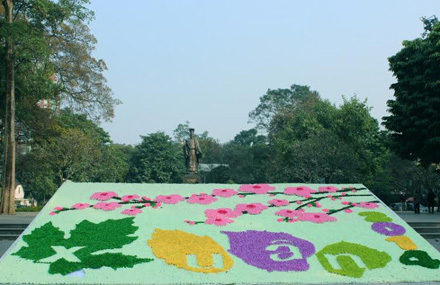
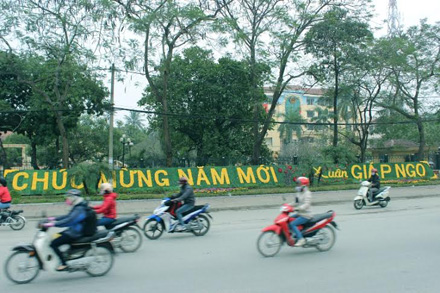
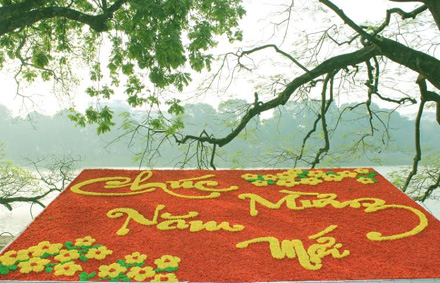
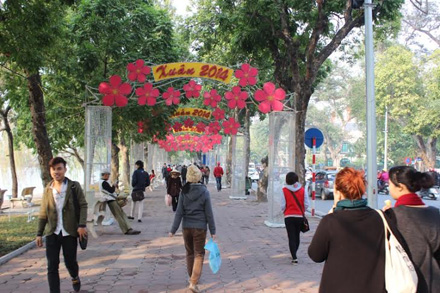
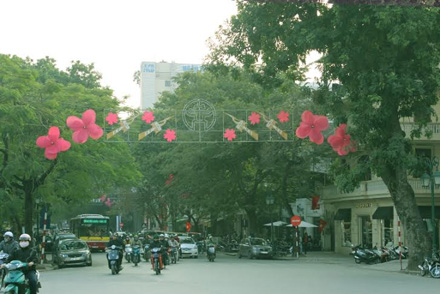
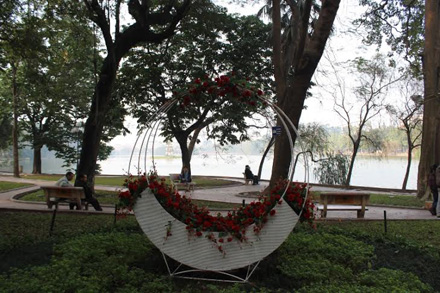
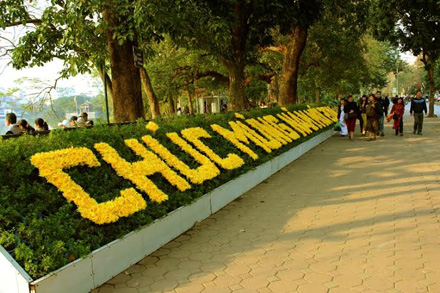
These days, many of the main streets in Hanoi such as Dinh Tien Hoang, Hang Khay, Trang Tien, Hang Bai … are being “dressed” with colorful flowers and posters … to welcome the 2014 spring.


tet, hanoi street, decoration

tet, hanoi street, decoration


tet, hanoi street, decoration


tet, hanoi street, decoration


tet, hanoi street, decoration


tet, hanoi street, decoration


tet, hanoi street, decoration


tet, hanoi street, decoration


tet, hanoi street, decoration


tet, hanoi street, decoration


Hanoi streets are being "dressed" for Tet

Thursday, January 23, 2014

Anxiety high over Tet veggies

 With the Tet (Lunar New Year) holiday fast approaching and the demand for goods expected to skyrocket, Vietnamese officials and consumers are becoming increasingly wary of imported agricultural goods, particularly those from neighbouring China.


Tet, veggies, pesticides, imported agricultural goods, Vietnamese farms
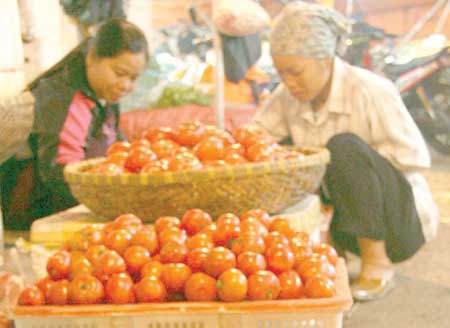
Tomatoes sold at Ha Noi’s Long Bien Market. Consumers are on high alert for sub-standard goods imported to help meet increased demand during the Tet (Lunar New Year) festival.

With consumption to match last year’s growth of between 30 to 50 per cent on top of typical routine consumption, consumers on high alert for sub-standard goods imported from China to help meet holiday demand.


Officials are particularly concerned by trends in provinces bordering China, where goods are transported to wholesalers and repackaged to disguise their origins.


Nguyen Thanh Phuong, resident of Ha Noi’s Nguyen Phong Sac Street and now a retired agricultural trader, said he now feels free to talk about the distribution of sub-par imports.


“Low quality agriculture products from China are often sold to Vietnamese enterprises. Once these goods are imported to Viet Nam, enterprises will use tricks to make them look good and sell them to local consumers in the retail markets,” Phuong said.


Phuong said everyday hundreds of tonnes of products are imported into bordering provinces, and alleges that proper control of these products is “impossible”, he said.


Officials from the National Agro-Forestry-Fishery Quality Assurance Department under MARD, said Viet Nam imported around 689,000 tonnes of produce, with more than 90 products of plant origins.


Nguyen Xuan Hong, director of the ministry’s Plant Protection Department, said the ministry’s inspection discovered eight out of 98 vegetables and fruits samples had been imported from China and contained high levels of pesticides, well above the permitted limit. The tested samples included tangerines, radishes and carrots.


The discovery also followed earlier inspections finding food safety violations in samples of Chinese apples and persimmons.


Representatives from northern border Lang Son Province responded to the claims in a recent meeting hosted by MARD at the end of last year, affirming the volume of Chinese fruit and vegetables imported to the province’s Tan Thanh Port was increasing considerably.


They also said the port received between 200 and 300 tonnes of agriculture produce, with fruit comprising the vast majority of the imports.


Nguyen Thi Ha, head of the Plant Quarantine Unit of Zone VII, said the low tax rate imposed on unprocessed agricultural products was facilitating the import of Chinese goods to Viet Nam.


Since 2008, the tax has remained at zero per cent for products, including fresh fruits.


Hoang Anh Tho, resident of Ha Noi, says although she is unsure what methods are used to keep the imported goods fresh, she suspects they must be harmful.


“I used to mistakenly buy imported Chinese apples or tomatoes, which didn’t go rotten for two weeks even though I leave them out of the fridge. I would refuse to eat them.


What would happen to my family if we all ate them?” she said.


Tho is now part of an increasing body of consumers wanting to avoid imported Chinese produce for this reason – safety. But she maintains it is difficult for customers to distinguish home-grown produce from those imported from China.


“China now can grow almost everything that Viet Nam can, and their products are even more prevalent in our market. It scares me because I don’t know what techniques they use to make their vegetables and fruits look more appealing,” she said.


Origin-al sins


According to Nguyen Van Son, deputy director of Central Highlands Lam Dong Province’s Agriculture Department, the department has discovered many cases where traders misrepresent the origins of agriculture products.


In one example, he said some traders used a layer of red soil taken from Da Lat City to cover imported Chinese potatoes to make them resemble potatoes grown in Da Lat. The potatoes were then transported to big wholesales markets in the southern area.


“Traders even bought machines to do this faster. Now they can make between 150 to 200kg of ‘fake potatoes’ in one hour,” he said.


Although no official cases of food poisoning from imported Chinese agriculture products have emerged, experts say chemical products used on imported goods can inflict gradual harm on the body.


“People eating low quality vegetables or fruits will not see the effects right away but gradually the chemicals stay in the body and cause health problems in the future,” said Nguyen Manh Hung, Vice President of the Viet Nam Standards and Consumer Rights Protection Association.


Meanwhile, consumers like Tho are adamant that relevant authorities have an important role in helping to give consumers peace of mind.


Nguyen Xuan Hong, director of MARD’s Plant Protection Department, said quarantine measures were being applied to imported goods in border provinces, but said the status quo had been ineffective.


“The quick quarantine test kit can only discover up to 30 per cent of active elements in pesticides, so the quarantine unit at bordering provinces still have to send the samples to Ha Noi for more accurate tests,” he said, adding that the procedure took between seven to ten days.


This delay in product testing meant quarantine units relied on examining product documents and often samples were not taken for testing, he said. Further problems also arose after the examination, with enterprises using artificial plant agents before goods were distributed to localities.


“At this phase, products quality is beyond our management abilities,” Hong said.


Agriculture minister, Cao Duc Phat, said he was concerned about the poor management of imported agricultural produce, in a recent meeting with industry representatives.


“There has been no change in the management of food safety and hygiene. That means the sector’s relevant authorities have not been working effectively,” he said.


Responding to the claims, Deputy Minister Nguyen Thi Xuan Thu said tougher measures were needed to address the concerns of authorities and consumers.


“We have to tackle the problem aggressively. We can’t let a group of people cause harm to millions of other people,” she said.


For now, the Ministry of Agriculture and Rural Development (MARD) has announced it will co-operate with the Ministry of Health and the Ministry of Industry and Trade to conduct wide-ranging inspections of agriculture products, nationwide. Stricter quarantine processes will also be used to test imported agriculture produce.


While time will tell whether these aggressive measures will prove effective, Tho is determined to protect her family by buying seasonal goods and those from small-scale Vietnamese farms nearby.


Anxiety high over Tet veggies